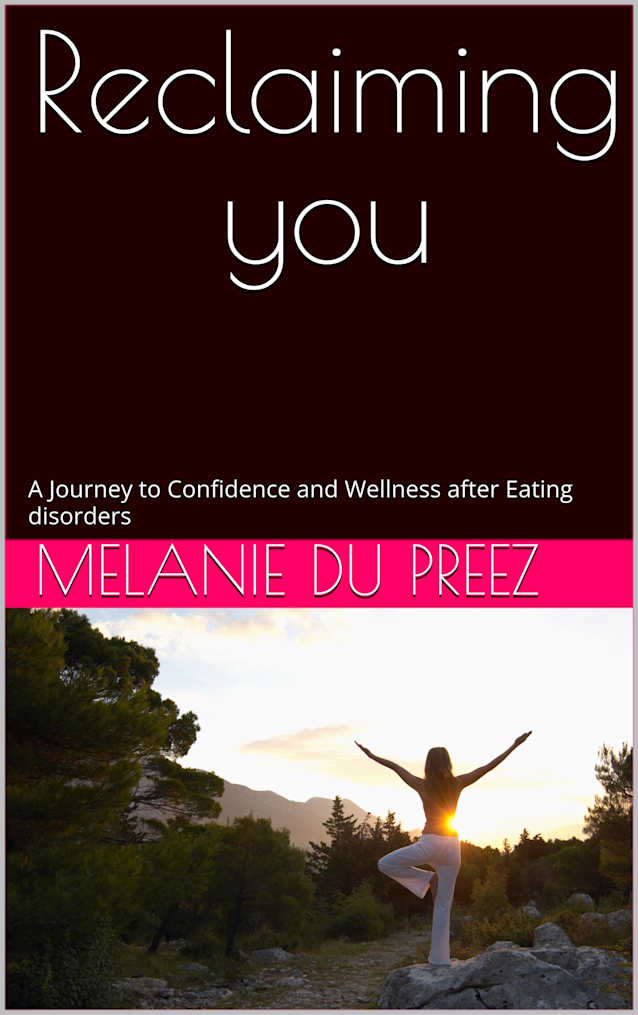
Reclaiming you: A Recovery Workbook for Eating Disorders: Body Image, Self-Worth, Trauma, and Neurodivergent Healing (The Psychology of Wellbeing Series 4)
About
If you’re recovering from an eating disorder—anorexia, bulimia, or binge eating disorder—or trying to, or stuck somewhere in the middle, this recovery workbook offers something most eating disorder books don’t: honesty about neurodivergent minds. Written by a clinical psychologist with 26 years of experience treating eating disorders, Reclaiming You is an evidence-based guide to eating disorder recovery that addresses body image and self-worth, trauma, anxiety, and the emotional work that comes after the behaviours stop. Designed specifically for neurodivergent readers—autistic, ADHD, and AuDHD individuals whose nervous systems don’t run on standard settings—this is not a book about meal plans or motivation. It’s about understanding what the eating disorder was managing, rebuilding self-esteem after an eating disorder, and constructing a life that isn’t organized around the illness.
If you’ve read clinical eating disorder workbooks and felt like something was missing—this is the first recovery workbook written by an AuDHD clinical psychologist, for neurodivergent minds who’ve never found themselves in mainstream recovery literature.
You won’t find toxic positivity here. No promises that recovery is beautiful or linear. No assumption that everyone responds to the same interventions. What you will find is a clear-eyed, evidence-based approach that treats neurodivergence as foundational—not as an afterthought.
What’s Inside:
- The biology of starvation and why eating disorders are so hard to let go of
- Trauma-informed approaches to eating disorder recovery
- Rebuilding body image and self-worth after years of restriction or binge-purge cycles
- Managing anxiety, perfectionism, and emotional regulation in neurodivergent nervous systems
- Understanding attachment patterns and relationship repair
- Evidence-based tools from ACT, DBT, polyvagal theory, and self-compassion research
- Practical exercises designed for autistic and ADHD minds
- What to do when setbacks happen (because they will)
This Book Is For:
- Adults in active eating disorder recovery
- People who thought they’d recovered and find themselves back in familiar territory
- Neurodivergent individuals (autistic, ADHD, AuDHD) navigating recovery
- People supporting someone with an eating disorder
- Clinicians looking for neurodivergent-inclusive resources
About the Author:
Dr. Melanie du Preez is a clinical psychologist with 26+ years of experience specializing in eating disorders. Trained in the Maudsley Approach and Family-Based Treatment, she is also late-diagnosed AuDHD. This combination of clinical expertise and lived experience shapes every page—she understands eating disorder recovery both from the therapist’s chair and from the inside.
The Bottom Line:
Recovery is hard. This book won’t pretend otherwise. But it will give you a framework for understanding your own experience, tools that are grounded in evidence, and the particular usefulness of being written by someone who knows the difference between what sounds helpful and what actually is.
You deserve to get better. Not because you’ve earned it or suffered enough, but because you’re a person and people deserve lives worth living.